
Celebrity gamblers How fame influences risk-taking in high-stakes betting
The Allure of High-Stakes Gambling
High-stakes gambling has always had an undeniable allure, particularly for celebrities who often find themselves in the limelight. The thrill associated with placing hefty bets can be intoxicating, drawing well-known figures into a world where fortunes can be won or lost in an instant. This combination of fame and risk-taking behavior fuels the celebrity gambler phenomenon, where the stakes are often higher than in typical betting environments, especially at a fast payout casino.
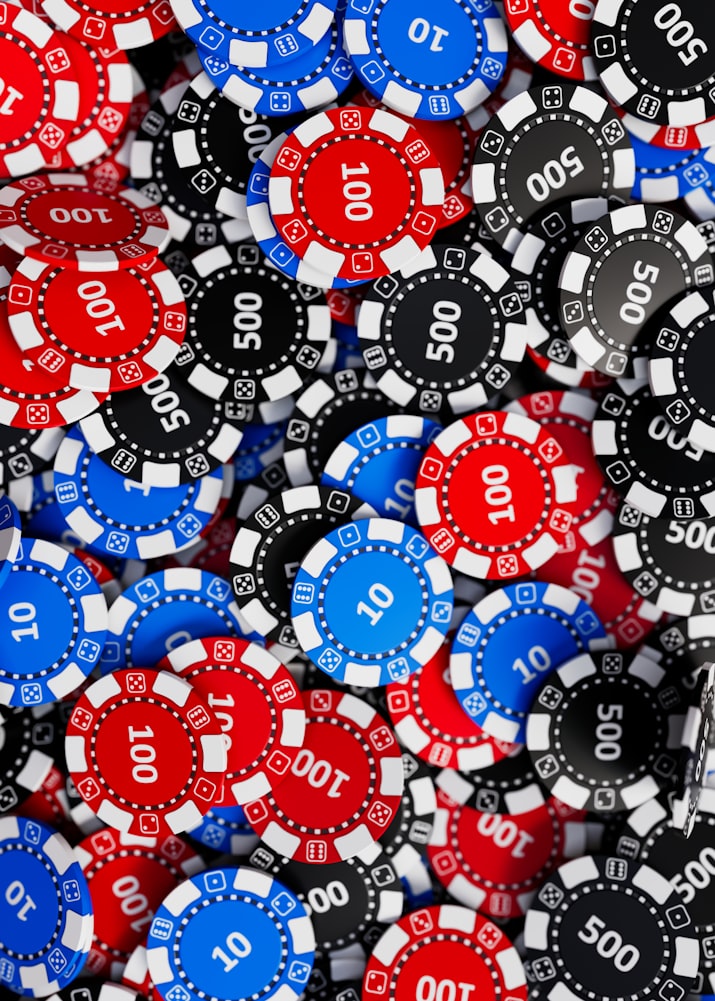
For many celebrities, gambling acts as an escape from the pressures of their everyday lives. The adrenaline rush from high-stakes bets can provide a sense of control and excitement, which is sometimes missing in their public personas. The thrill of the game can overshadow the real risks involved, leading to impulsive decisions that can have far-reaching consequences. This complex relationship between fame and gambling behavior offers a unique insight into how risk-taking is influenced by public perception.
Moreover, the very nature of celebrity culture celebrates risk-taking. From daredevil stunts to lavish spending, the allure of living on the edge is often glamorized. High-stakes gambling fits perfectly into this narrative, where celebrities can showcase their wealth and bravery while engaging in a popular pastime. This dynamic not only influences their own choices but also impacts their fans, who may see these risky behaviors as aspirational.
The Psychology Behind Celebrity Gambling
The psychology of gambling among celebrities can be traced back to several factors, including the influence of fame on decision-making. Celebrities often operate under the spotlight, where their choices are magnified and scrutinized by the public. This public perception can create a sense of invincibility, making them more prone to take risks that they might avoid in a more private setting. The desire to maintain an image of success and excitement can further compound this behavior.
Additionally, the social environment surrounding gambling can amplify these tendencies. Many celebrities participate in exclusive events, often surrounded by fellow high-profile individuals who share similar lifestyles. This social circle can normalize extravagant gambling habits, making it seem acceptable or even expected. The pressure to conform to these social norms can lead celebrities to engage in increasingly risky behavior, perpetuating a cycle of high-stakes gambling.
Understanding the psychological aspects of celebrity gambling also involves recognizing the underlying motivations. For some, it may stem from a need for validation, while for others, it serves as a distraction from personal challenges. Regardless of the motivation, the intersection of fame and gambling creates a landscape where risk-taking is not only common but often celebrated, making it essential to examine the deeper implications of this behavior.
Notable Celebrity Gamblers and Their Stories
Several high-profile celebrities have become synonymous with high-stakes gambling, drawing public attention to their extravagant betting habits. For instance, actor Ben Affleck is known for his skill in blackjack, having reportedly been banned from certain casinos for counting cards. His gambling exploits highlight how even the most successful individuals can experience the consequences of their risk-taking decisions, both financially and socially.
Similarly, professional athletes often engage in gambling, further blending the lines between sports and betting. Michael Jordan, for example, was known for his love of gambling, sometimes placing significant bets on games and other events. These instances shed light on how celebrities navigate the world of high-stakes gambling, often intertwining their public personas with their private choices, which can lead to both fame and infamy.
In addition to these notable figures, the stories surrounding celebrity gamblers often serve as cautionary tales. The pressures of fame, combined with the lure of easy money, can lead to disastrous outcomes. From financial ruin to personal relationships suffering, the implications of high-stakes gambling extend far beyond the casino floor, affecting not only the individuals involved but also their families and fans.
The Impact of Social Media on Gambling Behavior
In today’s digital age, social media plays a crucial role in shaping the perceptions and behaviors of celebrity gamblers. Platforms like Instagram and Twitter allow celebrities to showcase their lavish lifestyles, often highlighting their gambling exploits. This visibility can have a dual effect: it glamorizes high-stakes betting while simultaneously putting pressure on these individuals to maintain their risky behaviors to appease their followers.
Moreover, the instant feedback loop offered by social media can amplify the consequences of their actions. Celebrities face public scrutiny for their gambling choices, which can lead to a sense of accountability—or the opposite, where they double down on their risk-taking behavior to reclaim a sense of control. This dynamic is especially pertinent for younger fans who may idolize these figures and emulate their behaviors without fully understanding the potential pitfalls of high-stakes gambling.
As social media continues to evolve, the relationship between celebrity culture and gambling is likely to become even more intertwined. The potential for instant fame through viral gambling stories can entice more individuals to take risks. This convergence of fame and gambling, driven by social media, underscores the need for discussions around responsible gambling and the influence celebrities can have on public attitudes towards high-stakes betting.
Finding Balance: Responsible Gambling in Celebrity Culture
As the narrative around celebrity gamblers continues to evolve, there is a growing need for discussions surrounding responsible gambling. The luxury lifestyle often portrayed by celebrities can create unrealistic expectations for fans and followers. It is crucial for celebrities to advocate for responsible gambling practices to mitigate the potential harms associated with high-stakes betting.
Many celebrities have started using their platforms to promote awareness about the risks of gambling addiction. By sharing their own experiences, they can highlight both the exhilarating highs and the potential lows associated with gambling. This can foster a more balanced conversation around gambling, encouraging fans to enjoy the thrill of betting while being mindful of its risks.
Furthermore, the gambling industry itself has a role to play in promoting responsible behavior. With many casinos and betting companies investing in programs designed to support responsible gambling, the partnership between celebrities and these organizations can yield positive results. By focusing on education and support, the conversation around celebrity gamblers can shift from glamorizing risk-taking to promoting informed choices.
Conclusion: The Complex World of Celebrity Gamblers
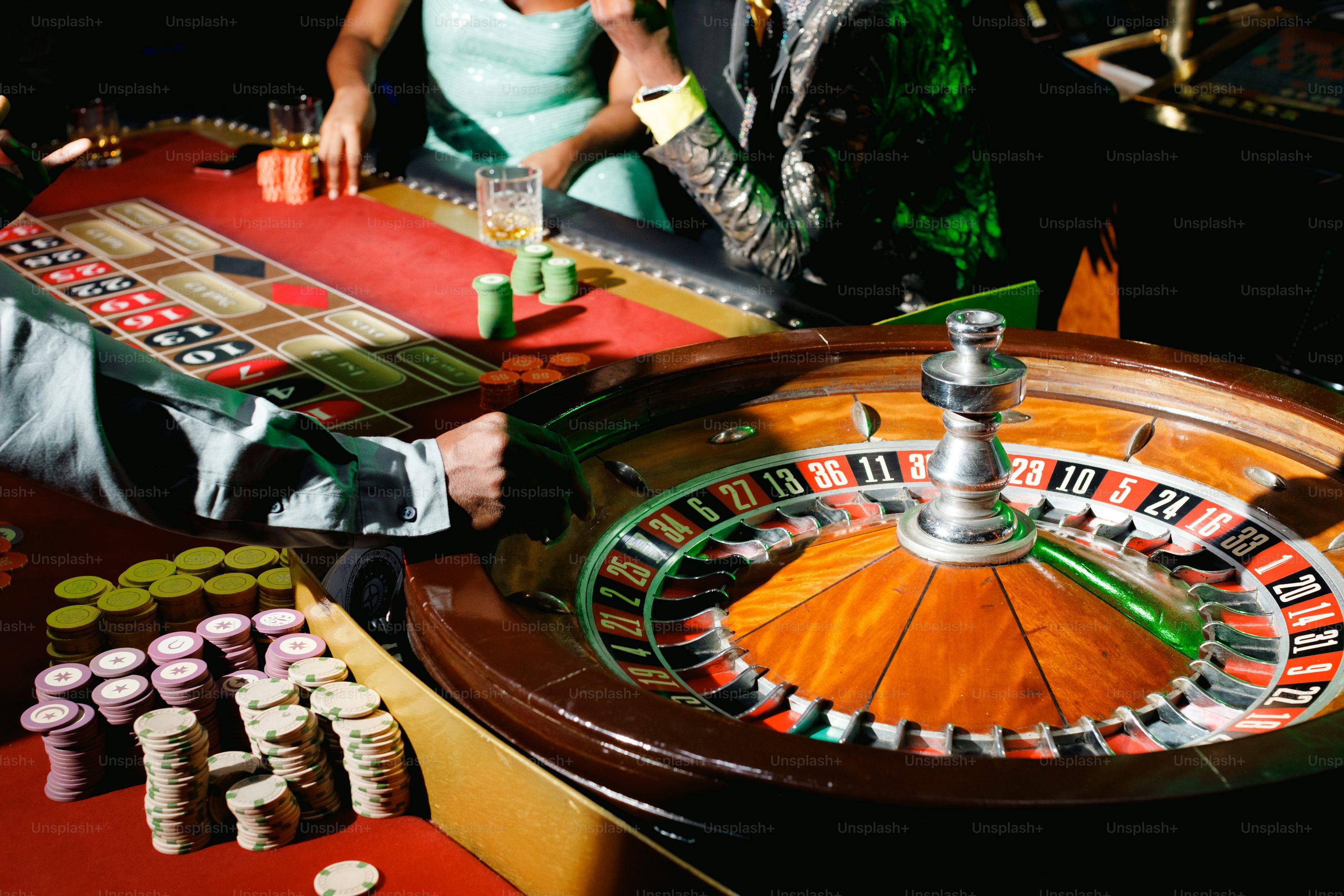
The world of celebrity gamblers is complex and multifaceted, influenced heavily by fame, psychology, and social dynamics. As high-stakes betting continues to capture public interest, it is essential to understand the implications of this behavior, especially in how it affects both celebrities and their fans. From notable figures who have made headlines for their gambling habits to the psychological factors at play, each aspect sheds light on the intersection of fame and risk-taking.
Moreover, the impact of social media cannot be overlooked, as it continues to shape perceptions of gambling and risk-taking behaviors. By promoting responsible gambling practices and addressing the potential pitfalls, celebrities can play a pivotal role in fostering a more informed public dialogue about the realities of high-stakes betting. As the landscape of gambling evolves, so too should the conversation surrounding celebrity involvement in this thrilling yet risky world.
Leave a Reply